
• Home
  • Products
    • Air Break Switch
  • Contact

Air Break Switch

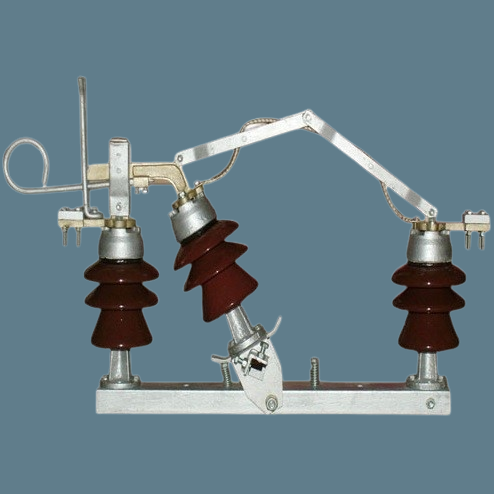
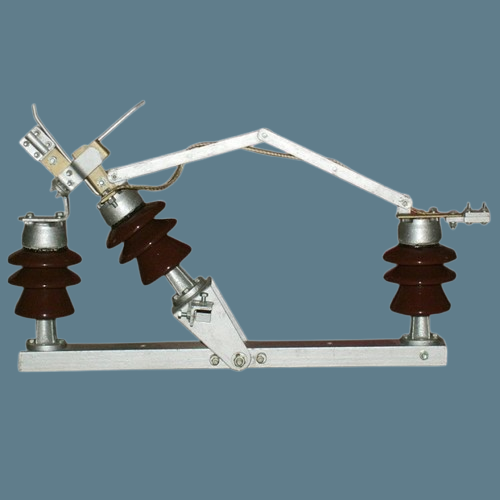
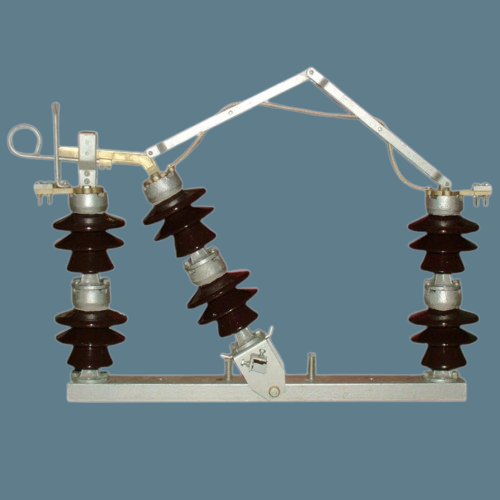
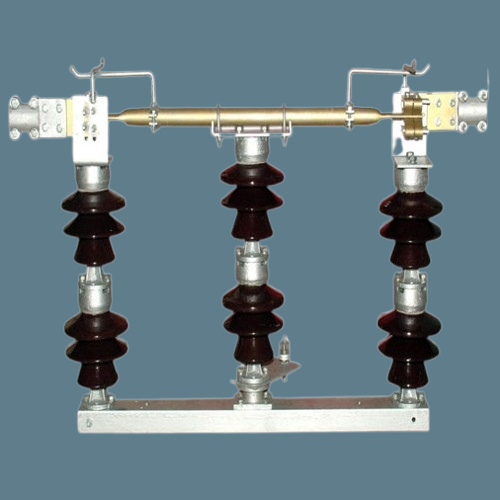
Single Break & Double Break Rotating type Air Break Switch Manufacturers for Transmission Line and Sub Station
Available Voltage : 11 KV, 22 KV, 33 KV, 66 KV
Available Current : 100 Amps, 200 Amps, 400 Amps, 630 Amps, 800 Amps, 1250 Amps, 2000 Amps

Air Break Switch
Air Break Switch Manufacturers
11 22 33 KV Air Break Switch
Air Break Switch Suppliers

What is an Air Break Switch (Definition) :

An Air Break Switch is a crucial component in electrical systems, utilized primarily for the control of electrical power circuits. Its fundamental purpose is to isolate portions of an electrical circuit to ensure safety during maintenance, troubleshooting, or in the event of faults. The Air Break Switch achieves this isolation by physically separating its contacts, which interrupts the current flow and allows for safe intervention without risk to personnel or equipment. This capability is vital in various applications, making it an indispensable choice in industrial, commercial, and utility sectors.

The operational principle of an Air Break Switch is relatively straightforward. When the switch is engaged, the contacts are connected, allowing current to flow through the circuit. Upon disengagement, the contacts are separated, creating an air gap that interrupts the circuit and effectively halts the flow of electricity. This air gap is critical as it leverages the insulating properties of air, providing a safe and reliable means to manage electrical currents. The switch is designed to handle high voltage and can effectively deal with fault conditions, making it an integral part of substation and overhead line systems.

Air Break Switch diagram :

Understanding Air Break Switch diagram is crucial for professionals working with electrical systems. These diagrams present a visual representation of the operational aspects of Air Break Switch, which are pivotal in controlling the flow of electricity in high voltage applications. When examining these diagrams, it is essential to familiarize oneself with the standard symbols that represent various components, including the Air Break Switch itself, fuses, transformers, and circuit breakers.

Typically, an Air Break Switch is depicted as a simple geometric shape, often indicating its open and closed states with distinct markings. For instance, a closed switch might be illustrated with a solid line connecting two points, whereas an open switch can be represented with a gap between these points. Recognizing these symbols is foundational for deciphering circuit diagrams, ensuring that engineers and technicians can easily identify the components and their functions within an electrical circuit.

In addition to the symbols, understanding the relationships between the Air Break Switch and other circuit elements is pivotal. For example, the positioning of the Air Break Switch in relation to other devices, such as transformers or induction motors, indicates how it isolates or connects parts of the electrical system. Analyzing the flow of current throughout the circuit, which can often be represented by arrows or directional lines, provides insight into the operational dynamics of the system.

Ultimately, when reviewing Air Break Switch diagrams, attention must be given not just to individual components, but also to the overall configuration of the circuit. This comprehensive approach helps ensure that any issues can be accurately diagnosed and resolved, maintaining the safety and functionality of the electrical system. Mastery of these diagrams lays the groundwork for effective troubleshooting and maintenance efforts.

Construction and components of Air Break Switch :

An Air Break Switch is an essential electrical device utilized in various power distribution and control systems. Its design comprises several key components that contribute to its overall functionality and efficiency. The primary elements found in an Air Break Switch includes contacts, insulators, an operating mechanism, and housing.

The contacts are crucial for the current-carrying capacity of the Air Break Switch. Typically made from high-conductivity materials, such as copper or aluminum, these contacts facilitate the interruption and restoration of electrical circuits. Their design and arrangement allow for minimal resistance when the switch is closed, ensuring effective performance. In an Air Break Switch, the contacts can either be manual or motor-operated, providing flexibility in operation.

Insulators are another vital component. These are tasked with maintaining a safe distance between the contacts and the housing, preventing any unintended electrical discharge. Made from materials with excellent dielectric properties, such as porcelain or polymer composites, the insulators ensure reliable operation under varying environmental conditions. Their robust construction is imperative for the long-term durability of the Air Break Switch.

The operating mechanism of the Air Break Switch facilitates the opening and closing of the contacts. This mechanism can be either a manual lever or an automated system, which enhances operational efficiency. By ensuring precise movement of the contacts, the operating mechanism significantly contributes to the reliability of the switch during usage.

Finally, the housing protects the internal components from environmental factors such as dust, moisture, and mechanical stress. Typically constructed from durable materials like fiberglass or metal, the housing maintains structural integrity while allowing for efficient heat dissipation. Overall, these components work in unison to provide a dependable Air Break Switch, crucial for ensuring safe electrical operations within power systems.

Working principle of Air Break Switch (Function) :

The Air Break Switch operates on a straightforward mechanism that effectively interrupts the electrical circuit under various conditions. Designed to manage the flow of electricity, its primary function is to either make or break a circuit when needed. Understanding how these switches work requires an appreciation of the environmental element crucial to their operation air.

When the Air Break Switch is in its closed position, electric current flows through the circuit as expected. However, once the switch is activated to the open position, the contacts that allow current to pass are disengaged. This action effectively disrupts the circuit. The breaking of the circuit is particularly significant during load conditions, where the consistent flow of electricity can lead to overloads or faults. It is during this phase that air plays a vital role.

As the contacts within the switch separate, an electrical arc is likely to form due to the sudden interruption of current. This is where the role of air as an insulator becomes pivotal. Air, being a natural insulator, helps extinguish the arc that is generated during the switch operation. The arc quenching process relies on the ability of air to quickly cool and disperse the heat generated from the electric arc, thereby preventing any further current flow. The switch is thus designed with enough distance between the contact points to facilitate this process efficiently.

The Air Break Switch can operate effectively under various voltage levels and in different environmental conditions, making it versatile for a wide range of applications. Its working principle demonstrates how crucial air is in ensuring safe disconnection and re-connection of electrical circuits, emphasizing the significance of properly engineered Air Break Switch in modern electrical systems.

Applications of Air Break Switch (Uses) :

Air Break Switch plays a vital role in various sectors, significantly enhancing the safety and reliability of electrical systems. Their versatility lends itself to a range of applications, most prominently in power generation, distribution systems, and industrial settings.

In the realm of power generation, Air Break Switch is often employed to isolate components such as generators, transformers, and other equipment during maintenance or repair work. By providing a reliable means of disconnect, these switches help mitigate risks associated with electrical faults, ensuring that maintenance personnel can operate in a safe environment. For instance, within hydroelectric plants, Air Break Switch is utilized to disconnect turbines from the grid, enabling effective servicing while minimizing disruptions to the power supply.

Similarly, in electrical distribution systems, Air Break Switch serves as critical components for controlling the flow of electricity. They offer a mechanism for managing loads and can be effectively used in substations to connect or disconnect circuits as required. During periods of high demand or fault conditions, the ability to quickly isolate segments of the network can help prevent outages and ensure stability across the grid. An example of this can be observed in urban electricity distribution, where Air Break Switch allows operators to isolate malfunctioning sections without affecting the entire supply network.

Industrially, Air Break Switch is pivotal in manufacturing processes that require high voltage equipment. They can be integrated into systems used for heavy machinery, conveyor belts, and automated processes, where safety and reliability are paramount. In this context, the ability to facilitate rapid disconnection can safeguard against equipment failures, allowing for maintenance without posing danger to operators.

Overall, the applications of Air Break Switch demonstrates their crucial function in enhancing the operational integrity across various environments, making them indispensable in today’s electrical infrastructure.

Advantages of using Air Break Switch :

Air Break Switch have emerged as a crucial component in electrical systems due to their multitude of advantages. One of the most significant benefits is their cost-effectiveness. Compared to other types of switches, Air Break Switch is generally less expensive to manufacture and install. Their simplicity in design translates to reduced overall project costs, making them an attractive option for many electrical applications.

Another key advantage is the ease of maintenance associated with Air Break Switch. With fewer intricate parts and a straightforward operational mechanism, these switches can be serviced more quickly and with less labor than their more complex counterparts. This ease of maintenance not only reduces downtime but also extends the lifespan of the equipment, thus providing further cost savings over time.

Reliability is a hallmark of Air Break Switch, which is designed to function efficiently even under high voltage conditions. Their robust design allows them to withstand electrical arcs and harsh environmental conditions, ensuring uninterrupted operation in various industrial settings. This reliability is critical in maintaining system performance and minimizing potential downtime, which can otherwise lead to significant operational losses.

In terms of safety, Air Break Switch plays a vital role. They are equipped with mechanisms that ensure safe disconnection of power during maintenance or emergencies, reducing the risk of electrical accidents. Their design allows for visible break indication, thus providing operators with clear information regarding the operational status of the switch. This level of safety is paramount in facilities that handle high-voltage systems where employee safety and equipment protection are top priorities.

Overall, the advantages of using Air Break Switch extends beyond just cost savings. Their ease of maintenance, reliability in high voltage operations, and enhanced safety features make them an invaluable component in modern electrical systems.

Installation guidelines for Air Break Switch :

Installing an Air Break Switch requires careful consideration to ensure optimal functioning and safety. The installation process starts with selecting an appropriate site. It is essential to choose a location that is easily accessible and complies with local regulations. Additionally, the site should have sufficient clearance to accommodate the switch and associated equipment, facilitating maintenance and operation. The area should also be free from potential hazards such as falling objects, extreme weather, and flooding to ensure the longevity of the switch.

Before installation, it is necessary to gather the required tools and equipment. Typically, tools such as wrenches, screwdrivers, voltage testers, and insulating gloves will be needed. It is also advisable to have personal protective equipment, including hard hats and safety goggles, to comply with safety standards. Preparing all necessary tools in advance helps streamline the installation process and ensures that operators can work efficiently without unnecessary interruptions.

During the installation of the Air Break Switch, following best practices is crucial. The switch should be installed as per the manufacturer’s guidelines, ensuring that all electrical connections are secure and properly insulated. It is important to check the alignment of the switch and ensure that it operates freely without obstructions. Electrical connections should also be checked for tightness to prevent any inadvertent failures. Regular inspections during installation can significantly reduce potential issues that may arise later.

Lastly, ensuring compliance with safety standards cannot be overstated. Electrical safety standards provide guidelines that help mitigate risks associated with electrical installations, thus protecting personnel and equipment. Adhering to these standards during the installation of an Air Break Switch not only enhances safety but also improves the reliability of the entire system, creating a safe operational environment.

What is 11 KV Air Break Switch :

The 11 KV Air Break Switch is a critical component in medium voltage electrical systems, primarily used for switching operations in power distribution networks. Designed to facilitate the safe operation of electrical circuits, these switches play a pivotal role in isolating and controlling electrical power flows. The primary function of the 11 KV Air Break Switch is to provide a reliable means of disconnecting electrical lines under both load and no-load conditions, ensuring maintenance personnel can perform their duties safely.

In medium voltage networks, which typically operate between 1 KV and 35 KV, the significance of Air Break Switch cannot be overstated. These devices offer a visible break in the circuit, allowing operators to ascertain that the line is de-energized before work commences. This enhances the safety protocols within electrical systems, making it easier to manage faults and perform necessary maintenance. The design of Air Break Switch, characterized by their robust insulation properties and ability to operate in various environmental conditions, further underscores their importance in power distribution.

The 11 KV Air Break Switch is particularly relevant in substations, feeder lines, and industrial plants where medium voltage power supply is essential. Given that 11 KV systems are commonly utilized for distributing power to large facilities, incorporating Air Break Switch adds a layer of reliability and safety. These switches ensure that any issues within the network can be quickly addressed without endangering personnel or compromising equipment integrity. Overall, the integration of 11 KV Air Break Switch in electrical power distribution systems not only enhances operational efficiency but also plays a crucial role in safeguarding infrastructure and personnel from electrical hazards.

What is 22 KV Air Break Switch :

The 22 KV Air Break Switch is a critical component in electrical distribution systems, particularly in medium voltage applications. This type of switch operates at a voltage level of 22 kilovolts, making it suitable for managing the flow of electricity in a safe and efficient manner. The primary function of the Air Break Switch is to provide a means of isolating electrical circuits for maintenance or emergencies, ensuring that equipment can be serviced without the risk of electrical shock or equipment damage.

One of the distinguishing characteristics of the 22 KV Air Break Switch is its operating mechanism, which relies on air as the medium for interrupting current flow. Unlike oil or vacuum circuit breakers, the Air Break Switch utilizes physical separation of contact points to interrupt the flow of electrical current. Upon activation, the switch opens in the air, effectively breaking the circuit while allowing the arc created during the interruption to extinguish in an open-air environment. This design feature allows for simpler construction, maintenance, and operation, making it an attractive choice for various applications.

Typical use cases for the 22 KV Air Break Switch include its implementation in substations, overhead lines, and distribution networks. Their robust design makes them suitable for outdoor settings, where exposure to weather conditions is a factor. Additionally, their capability to handle significant current loads with minimal maintenance further enhances their importance in ensuring reliable power supply across regions. The versatility of the Air Break Switch also allows it to be integrated with other equipment, thus supporting the functionality of modern electrical grids.

What is 33 KV Air Break Switch :

A 33 KV Air Break Switch is a crucial component employed in electrical distribution systems designed to manage and safeguard electrical circuits. This device operates under the voltage classification of 33 kilovolts, making it integral for medium voltage applications. Its primary function encompasses the control, isolation, and protection of electrical networks, which is essential for reliable power distribution.

The fundamental principle behind the operation of an 33 KV Air Break Switch lies in its ability to create a visible break in the circuit. This is achieved through the physical separation of conductive elements within the switch when it is in the open position. The air surrounding these contacts acts as an insulating medium, ensuring that there is no electrical continuity when the switch is disengaged. The mechanism allows for safe maintenance and repair of electrical systems without the risk of electrical faults.

In terms of significance, the 33 KV Air Break Switch plays a vital role in preventing electrical accidents and ensuring system integrity. By effectively isolating faulted sections of a power network, the device facilitates a systematic approach to troubleshooting and repairs, minimizing downtime and maintaining operational efficiency. Additionally, this switch type is commonly used in substations and at the distribution level, where they serve as a first line of defense against electrical overloads and short circuits.

The reliability of 33 KV Air Break Switch is supported by their robust design, which typically features high-quality materials capable of withstanding varying environmental conditions. This resilience not only enhances their operational lifespan but also ensures that they perform effectively in diverse applications, ultimately contributing to the safety and stability of electrical power distribution systems.

Raw materials used in Air Break Switch manufacturing :

Air Break Switch is crucial components in electrical distribution systems, designed to control the flow of electricity while ensuring safety and reliability. The manufacturing of these devices relies on several key raw materials, each selected for its unique properties and advantages. Understanding these materials is vital to appreciating the overall performance and durability of Air Break Switch.

One of the primary materials used in Air Break Switch manufacturing is metal, specifically copper and aluminum. Copper is favored for its excellent electrical conductivity, which minimizes power loss during operation. Additionally, aluminum is selected for its lightweight nature and resistance to corrosion, making it ideal for outdoor applications where various environmental factors can influence performance. The choice of metal ultimately affects the efficiency and longevity of the switch.

In addition to metals, insulators play a critical role in Air Break Switch design. Commonly used materials include porcelain, glass, and polymer compounds. Porcelain insulators provide high resistance to electrical stress and environmental degradation, which is essential for maintaining operational integrity under challenging conditions. Glass offers transparency, allowing for visual inspections, while polymer materials are gaining popularity due to their lightweight and flexible properties, expanding the potential applications of Air Break Switch.

Other components, such as springs and contacts, are often manufactured from specialized alloys that enhance their mechanical strength and wear resistance. These materials not only endure repeated operations but also ensure reliable performance over time. The careful selection of raw materials is crucial, as each element contributes significantly to the overall functionality and durability of Air Break Switch. The synergy between these materials leads to the development of robust, efficient, and safe switching devices that serve critical roles in electrical systems.

Manufacturing processes of Air Break Switch :

The manufacturing of Air Break Switch entails several critical processes that ensure product reliability and effectiveness. The journey begins with the design phase, where engineers utilize computer-aided design (CAD) software to create detailed blueprints. This stage is crucial for integrating feedback from safety standards and customer specifications. Impeccable design is fundamental not only for functionality but also for ensuring that all parts fit seamlessly in the final assembly.

Following the design, the next phase is the fabrication process. This involves selecting durable materials that can withstand high electrical loads and harsh environments. Components, such as the switch frame, contacts, and insulators, are typically crafted from high-grade metals and insulating materials. Precision machining techniques, including cutting, welding, and shaping, are employed at this stage, guaranteeing that each part meets stringent specifications for performance and durability.

Once the components are fabricated, the assembly phase commences. Skilled technicians systematically combine the individual parts, often utilizing automated machinery for increased efficiency. Quality control plays a pivotal role during this phase, as each switch must function flawlessly under various conditions. Technicians ensure proper alignment and secure connections to prevent potential failures once the switches are deployed in the field.

The final stage in the manufacturing process is rigorous testing. Each assembled Air Break Switch undergoes a series of tests to validate its performance and reliability. These tests often include electrical load tests, thermal imaging inspections, and environmental simulations. The objective is to confirm that the switch will operate correctly over its intended lifespan, satisfying industry regulations and customer expectations. Overall, the manufacturing processes of Air Break Switch reflect a commitment to quality, precision, and technological advancement.

Quality control measures in Air Break Switch manufacturing :

Quality control is a fundamental aspect of Air Break Switch manufacturing. Manufacturers in this industry implement rigorous quality control practices to ensure that the products meet stringent performance and safety standards. Key certifications, such as ISO 9001, play an essential role in establishing a quality management system that aligns with international standards. These certifications indicate that the manufacturing processes are subject to continuous improvement and are regularly reviewed for compliance with prescribed quality benchmarks.

Another important quality measure involves adherence to specific industry standards such as IEC 60071 and ANSI C37. These standards provide detailed guidelines regarding the design, performance, testing, and maintenance of Air Break Switch. Manufacturers perform extensive testing during different production stages, including raw material inspection, in-process inspections, and final product evaluations. The testing protocols cover electrical, thermal, and mechanical properties to confirm that the Air Break Switch can perform reliably under various operating conditions.

Moreover, manufacturers utilize advanced technology and equipment to enhance the accuracy and efficiency of the production process. Automated inspection systems are employed to detect defects early in the manufacturing cycle, minimizing the risk of substandard products reaching the market. Additionally, manufacturers conduct destructive and non-destructive tests to ensure the integrity of the switches. These tests help assess the durability and operational life of the products, ensuring that they can endure the stresses encountered during service.

Lastly, continuous training and development of the workforce are essential components of quality control measures in Air Break Switch manufacturing. Skilled professionals are better equipped to identify potential issues during the production process, ultimately contributing to the reliability and safety of the final products. By integrating these comprehensive quality control measures, manufacturers are able to produce Air Break Switch that meet both regulatory requirements and customer expectations, thereby reinforcing their commitment to excellence in the industry.

Air Break Switch vs Disconnect Switch :

Understanding the distinctions between an Air Break Switch and a Disconnect Switch is crucial for selecting the appropriate equipment in electrical systems. Both types serve unique functions and operational capabilities, which make them suitable for different applications.

One of the primary differences lies in the switching mechanism. An Air Break Switch typically operates using air as an insulating medium. This switch can interrupt the current during the operation, making it ideal for scenarios where switching might occur under load. In contrast, a Disconnect Switch is expressly designed to isolate electrical circuits and does not interrupt load currents. As such, it is primarily utilized for safely isolating parts of the system during maintenance or repair, ensuring no electrical load is present.

Another significant difference concerns their suitability for load interruption. While Air Break Switch can handle the interruption of load currents, Disconnect Switch is generally not intended for this purpose. They serve the function of securing a circuit from any accidental contact with an electrical source, thereby minimizing risks of electric shocks while workers perform maintenance tasks. When it comes to safety load breaking, selecting an Air Break Switch is more appropriate for applications involving high loads that require regular operation.

Use case scenarios also differentiate these two switches. Air Break Switch are often employed in high-voltage applications, such as in substations and overhead lines, where currents need to be interrupted frequently. Conversely, Disconnect Switch is mainly used in low-voltage applications or within substations to safely de-energize equipment before maintenance work. Each switch type plays a vital role in maintaining efficiency and safety in electrical installations, guiding engineers and technicians in their respective choices based on operational demands.

Menu

  • Home
  • Products
    • Air Break Switch
  • Contact

Contacts

+919339332646
simplex.power@rediff.com

© 2025 Simplex Power Industries. All rights reserved.